


Beginners Guide to Sourdough
Avery has recently started making sourdough, and with so many recipes out there, we’ve simplified and broken down the process to make it beginner-friendly. The key to good sourdough is having a strong starter. Avery got hers from a friend in Florida, but there are options to order online. This helps to ensure that it is already strong; all you have to do is feed it regularly, and your bread will be successful. Making your own sourdough is a total game changer. Each loaf gets better as you learn what works, and the process starts to feel like second nature. It’s a fun, hands-on hobby that can be both relaxing and rewarding.
Recipe:
100 grams active starter
350 grams warm, filtered water
500 grams all-purpose flour (or 100 grams whole wheat flour and 400 grams all-purpose flour)
10 grams coarse salt
Semolina flour for shaping
Materials:
bowl (glass or porcelain bowl - not metal or plastic)
baking scale
wooden spoon
spatula
cloth to cover the bowl
parchment paper
dutch oven pot
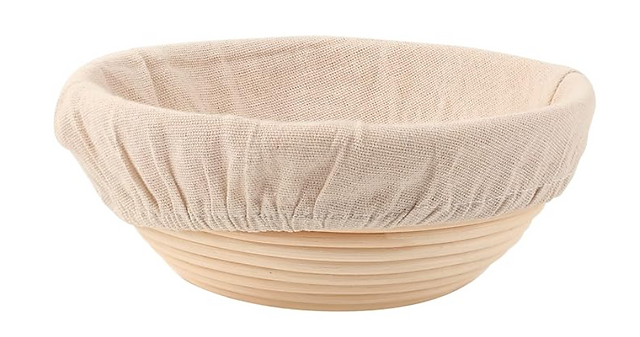
banneton
Instructions and schedule:
8:00 a.m. Feed your starter
3:00 p.m. Make your dough. Place the bowl on the scale and zero it out. Add the starter to your bowl. Next, add the warm water and slightly mix together the starter and water to loosen it from the bowl. Zero out your scale again and add in the flour and salt, and mix it all to form a shaggy dough (just until combined). Place a cover on the bowl and let it sit on your countertop four about an hour.
4:00 p.m. Do the first stretch and fold. Gently lift each side up, stretching it, then fold over the middle of the dough. Do this motion until all of the edges have been folded over. Cover the bowl and leave it on your counter for another 30 minutes.
4:30 p.m. Do the second stretch and fold. Do the same motion as the first one. Cover your bowl and leave it on the counter.
5:00 p.m. Complete the third stretch and fold.
6:00 p.m. Do the fourth and last stretch and fold. Reach both hands into the dough, reach in the center, and pull it up, then tuck the two sides under to create a smooth top. Put the cover on your bowl, and leave it on your counter to "bulk ferment." At this stage, your dough should not really stick to your hands and should be uniform throughout. Your dough needs to sit on your countertop for 4-6 hours to double in size. (One thing that can speed this process up is to place the bowl in the oven with just the light on. This creates a slightly warmer environment that helps the yeast to ferment and rise quicker.)
10:30 pm Once your dough has doubled in size, flour your countertop with semolina flour and place your dough on it. Flatten it into a rough rectangle, then fold in the sides and roll from bottom to top like a burrito. Dust semolina into the banneton, and place the dough, seam side up, into it. Pinch the seams so there are no openings. Place your cover on the banneton, and put it in the fridge overnight.
The next morning, at any time from 8 am to 12 pm, preheat your oven to 450 degrees. Place your Dutch oven in the oven to preheat with the oven. In the meantime, take your dough out of the fridge and place it on a piece of parchment paper. Score it with a bread scorer or sharp knife. You can be creative with this, but we recommend doing one long cut about 1/4 of an inch deep along the side and then whatever design on the other side. Once the oven is preheated, place the parchment paper and dough in the Dutch oven, put one piece of ice under the parchment paper, and put the lid on the Dutch oven. Put it back in the oven and bake it for 20 minutes with the lid on and then 15 minutes with the lid off. Once it is done baking, immediately take the bread out of the Dutch oven to cool completely before cutting. The best way to store the bread is in a plastic or paper bag, or slice it and put it in the freezer!
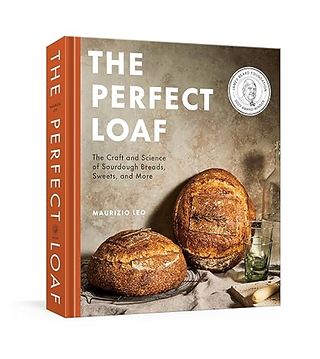
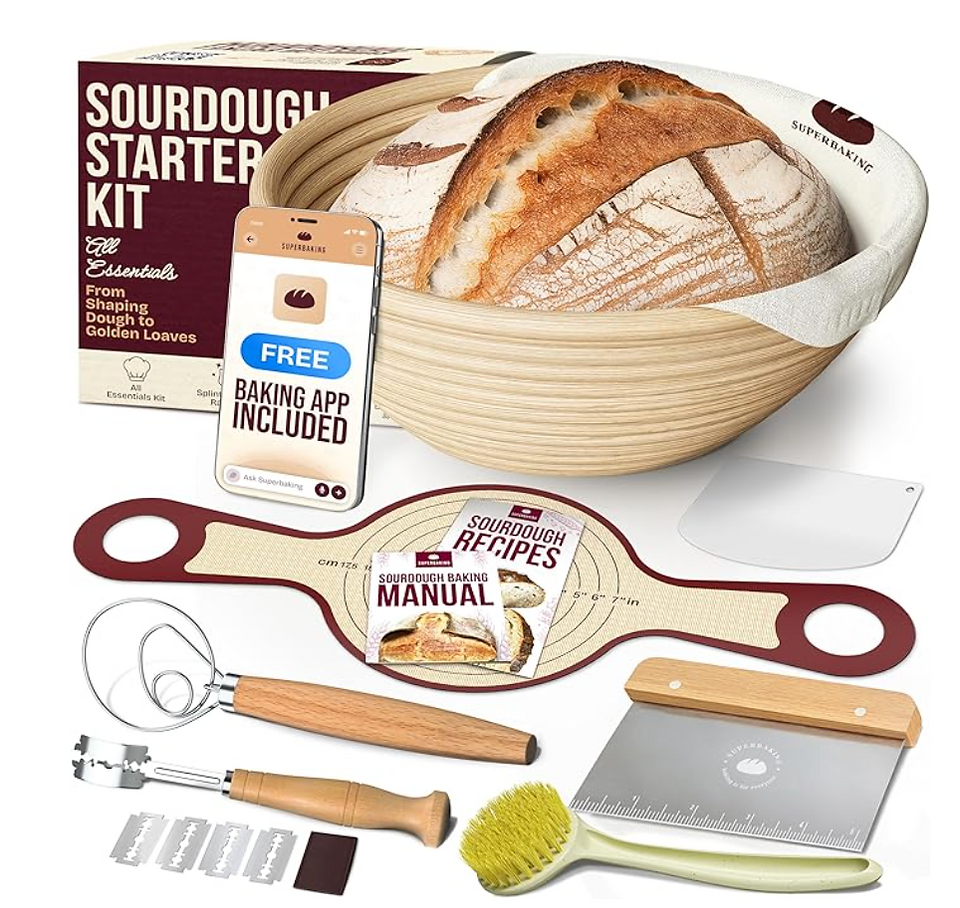
Here are some of the tools Avery has and loves:




XOXO,
Avery and Bliss


Comments